2026 · 10 · 16
The child in me shaped the parent I am
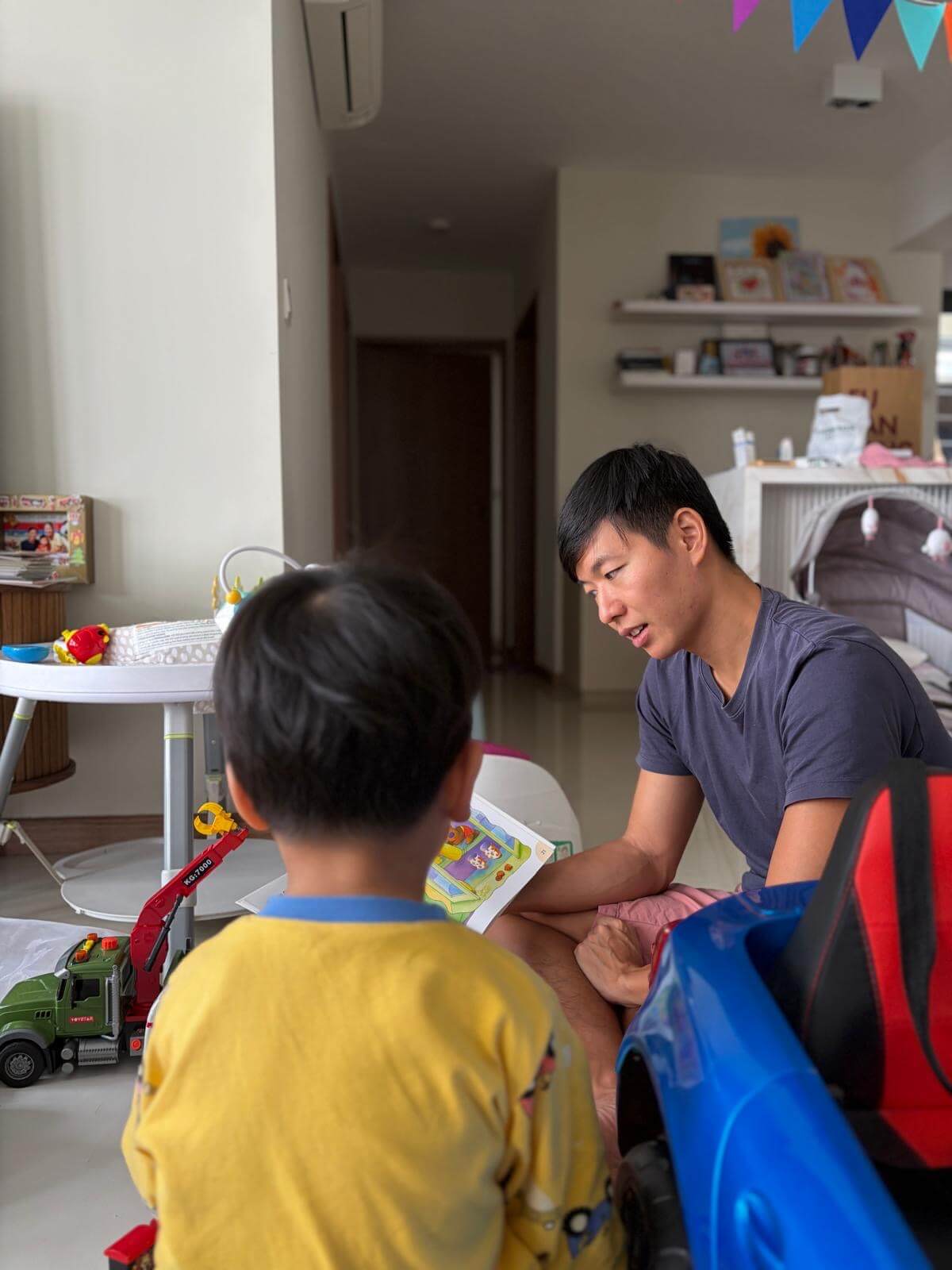
Three years ago, when the nurse pushed my son into my wife's ward for the very first time, she casually told me he pooped and I should change his diaper. I stared at her and blurted out, "Uh... I have no idea how to do it..."
If you think about it, isn't it amazing that we were expected to somehow know what to do with this little fragile human being from the moment they were born? And all the way, for the rest of our lives? And that if parenting is so important, there isn't a definitive guide to parenting?
How do we figure out our parenting style?
Here’s my story.
My dad often brags about how, when he was a little boy, he walked more than 5km to school every morning. He brags about many things, so I'm doubtful about this claim. But one thing I'm certain: He didn't want me to suffer the same.
When I was 13, I had a habit of going to school as early as 6 am for a bowl of bak chor mee (minced pork noodles). He would wake up before dawn just to send me to school and then head home to get a little more sleep, before going to his workshop with my mum. I don't remember asking for it, and he was always nagging us to be independent. So why did he do that?
Now that I'm a parent myself, I think I know why.
We give our children what we didn't have, spare them from what we hated, and pass along what we admired.
Money as love
Growing up, my family was rather well to do. But I often wondered why my parents were so obsessed with their work and left us to their siblings. Is money really more important than us? As a kid, I resented them for many years.
But now I understand that growing up poor drove them to make as much money as possible. They wanted to give my siblings and me money because they didn't have it as children. Only much later in life did my mum admit to me that they thought making money was the most important thing they could do for us. Or as my friend elegantly put it, "It isn't that they love making money more than being with you. Making money for the family was their way of loving you."
I didn't appreciate the financial safety net and psychological relief they created for me until recently. I learned that people who grew up poor constantly worry about money even when they make enough. It's not like I never have to work. But I never had (or have) to worry about whether my parents have enough money. That allowed me to pursue whatever career I wanted, including quitting my job to start a business and working less to be with my family.
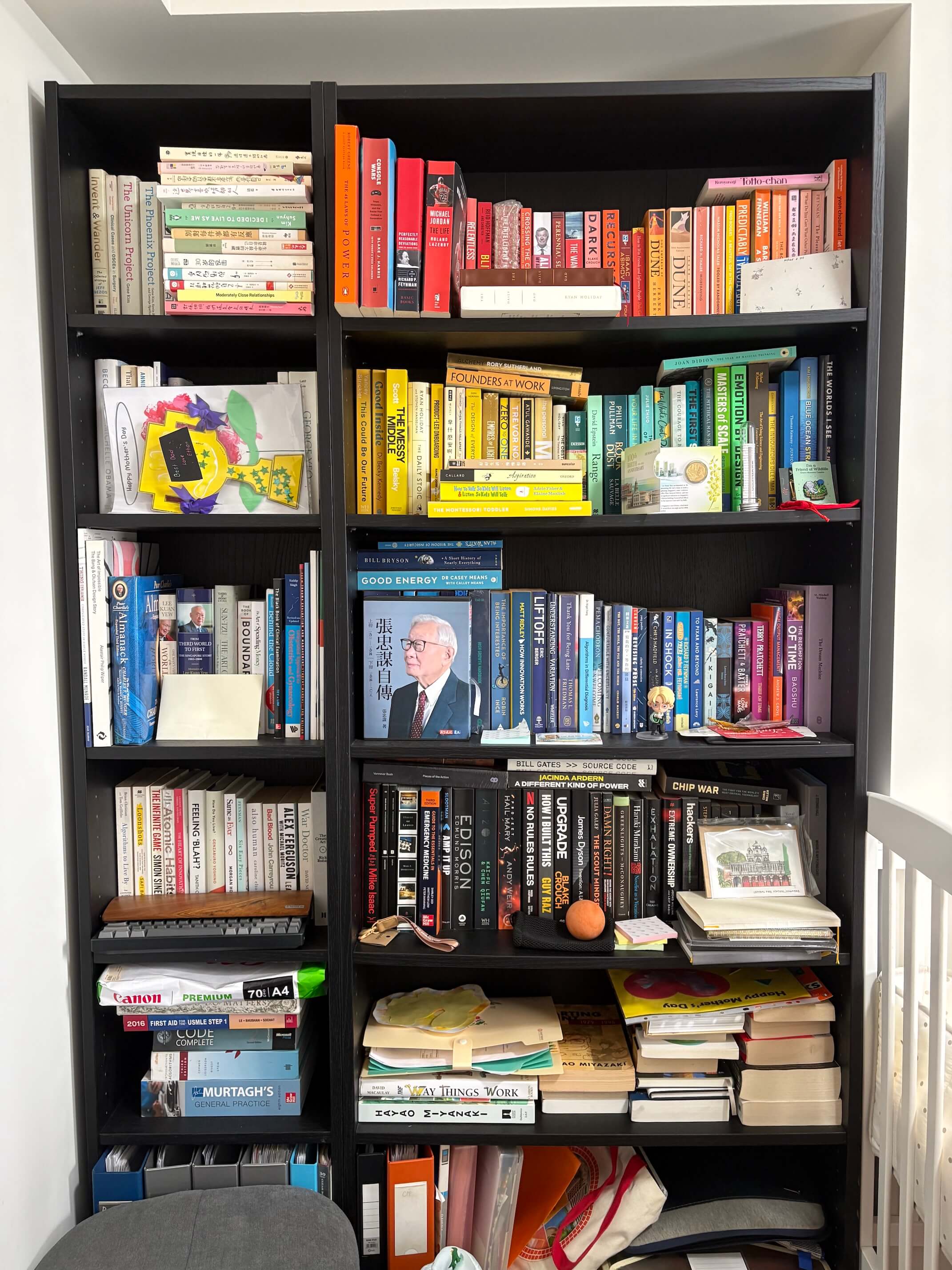
Likewise, I see myself giving my children what I didn't have. My parents were barely educated and couldn't read—let alone teach—us English. So books weren't a part of our house. (But they did try their best to send us to good schools.) There was a good stretch of 10 years when I didn't touch a single book. When I had to read Totto-Chan for literature classes, I googled for a summary. (If I had ChatGPT then, I think I would have bungled my education.)
I used to think people who read are nerds. But to paraphrase Albert Einstein, to punish me for my contempt of nerds, fate has made me a nerd myself. I fell in love with reading in my 20s (and picked up Totto-Chan after I had a kid). Now, I shower my children with books and read to them every day. I don't force them to read, though, because I'd hate that myself. I read physical books myself to show them I read. Thankfully, my son wants me to read to him so much that I have to set a limit every night.
I give my children presence because I didn't have it. But this is only possible because my parents gave me—to put it crudely—money because they didn't have it.
Spare the rod
As a kid, I was sent to countless tuitions. I had tuition in the morning even before I went to school in the afternoon. It was so much that on one fine day I rebelled. After the morning tuition class, I refused to go to school. My mum was not having it. I locked myself in the bedroom, thinking I had managed to escape her. She unlocked the room from the outside and promptly whipped me with the rattan cane. She then hauled me out to the street to hail a taxi. I even hugged a tree, trying to resist her. In the end, I still went to school, but with tears on my face and scratches on my forearms.
I don't want to force classes and activities onto my kids unless they are interested. As much as I can, I want to create an environment that inspires them to be curious about the things around them and be interested enough to learn more themselves. Just like I give my children what I didn't have, I want to spare them from what I hated.
The cane was the bigger one. I developed a strong aversion to physical punishments. My parents would cane me and at the same time reprimand me to stop crying while I was in pain. It made zero sense to me but that was unfortunately the tough-love era. I even made a joke about them caning me in my wedding speech, and the entire ballroom burst out laughing. Everyone understood.
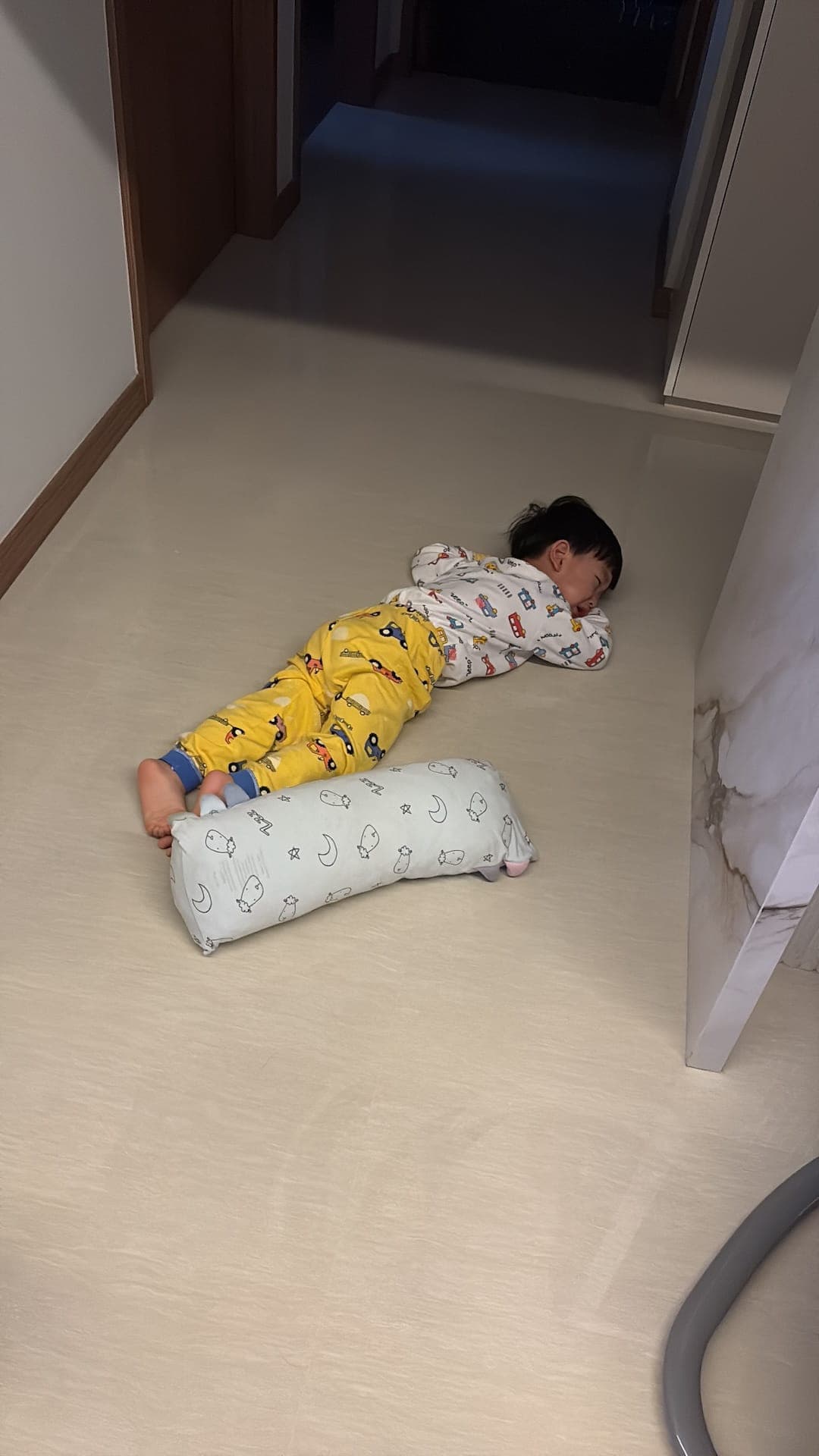
But the problem back then was that I gradually learned the caning was to instill fear in me to get submission. So I did the opposite. I became more defiant. I didn't do anything crazy that I'd regret but the trade-offs of caning never seem worth it to me. Of course, I'll never know how I'd have turned out if my parents spared the rod. I was a pretty nasty boy. But I'm determined to find better alternatives for my children, without spoiling them. One thing I do is carry my child into my room, give him the space and time to let out his emotions, and then talk to him.
Carrying it forward
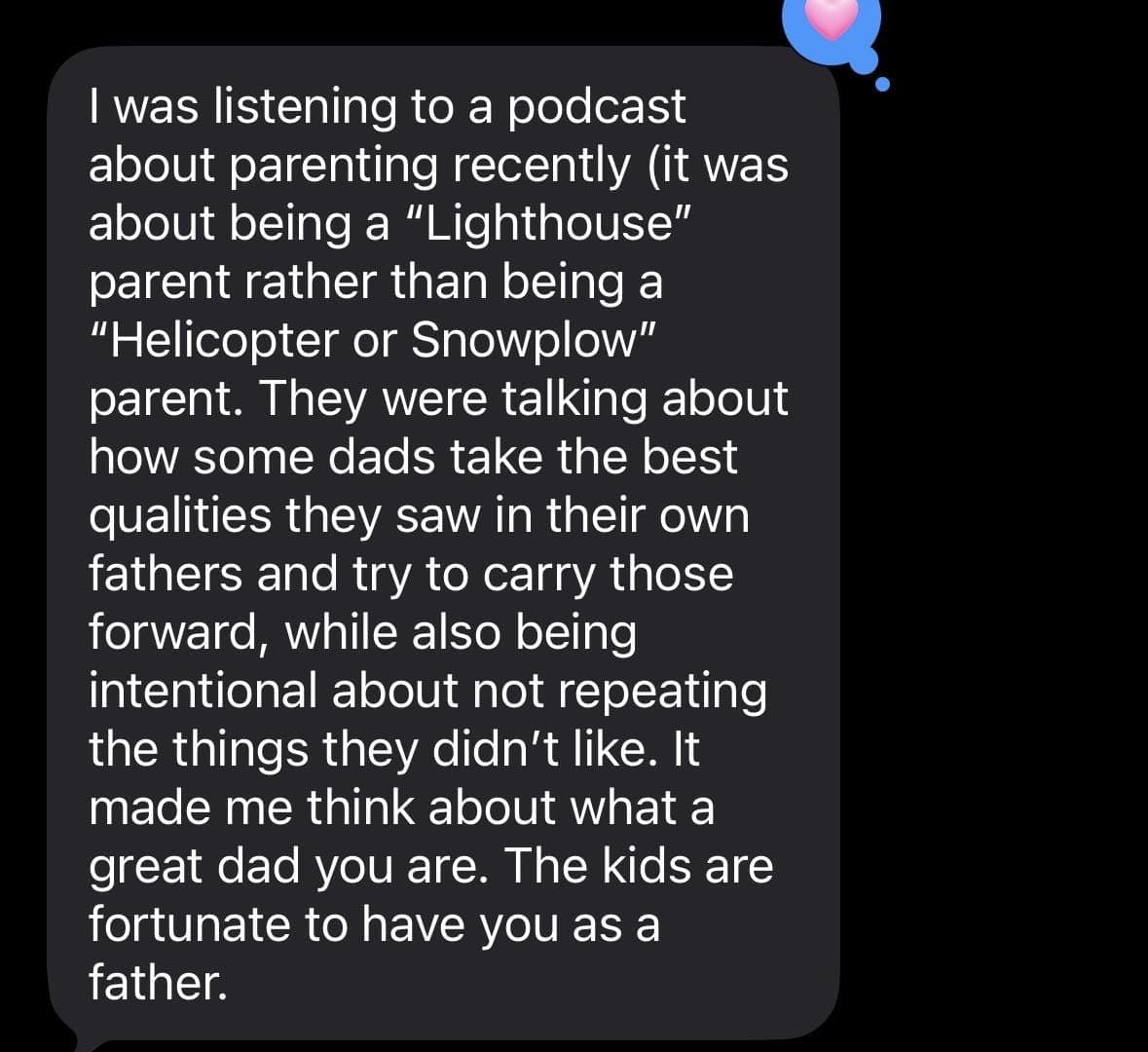
I recently saw a father post this text from his father-in-law on Reddit:
I was listening to a podcast about parenting recently. They were talking about how some dads take the best qualities they saw in their own fathers and try to carry those forward, while also being intentional about not repeating the things they didn't like. It made me think about what a great dad you are. The kids are fortunate to have you as a father.
I realized I had been doing this subconsciously. For all the complaints I have about my parents, they have taught me a lot and I want to carry those qualities forward. My dad demonstrated to me self-reliance and agency by fixing everything he could. My mum taught me the importance of family by staying close with her remaining three sisters (especially after losing two).
I also try to pick up a few qualities from my in-laws, such as their selflessness and humility, and also their way of loving their daughter (my wife). Whenever we needed help with the kids, they would rush over to our house and never expected us to bring our kids to theirs. They visit and cook dinner for us every Saturday. Once, both my wife and I had food poisoning. The next thing we knew, they were knocking on our door. They worried about us and worried we wouldn't have the capacity to look after our son.
Sometimes, it's a balance of the two sets of parents. If someone knocks into my dad's car, he will pursue the culprit to the end of the world if he has to and demand hefty compensation. When it happened to my father-in-law, and even with a video recording of the accident, he told the other driver to be careful next time and paid for his own repairs. Neither extreme feels right to me, so I'm finding my own middle.
My personal blend
My upbringing has shaped my parenting style for better or worse—and how I parent my children will shape how my children parent their children. Without recognizing this, I would have unintentionally parented according to my subconscious biases. And more importantly, this prompted me to seek out better examples I don't naturally come across in my life.
Embarrassingly, I was winging it in my first year of fatherhood. I was busy with my startup and felt confident I knew what to do because I had a good upbringing. But parenting challenged me. I lost patience and snapped over little things like bedtime. I soon realized I had to do better. Instead of relying on just my instinct, I picked up parenting books and biographies, subscribed to fatherhood newsletters, and joined dad communities. That is also why I send my daily field notes and weekly newsletters on being a hands-on dad. I want to research stories and philosophies to apply to parenting and to remind myself to be more patient, to cherish our finite time together, and to be a good role model.
My parenting style is like a remix. I give my children what I didn't have and spare them what I hated, and then I blend in measured amounts of qualities I see in great fathers. It’s not gentle parenting or tough-love parenting or helicopter parenting. It’s my parenting.
What is your parenting like?
Want to come back to this later?Keep it in your digital commonplace book.
Save to FernsageRecent newsletters
- 2026·10·02
- 2026·09·25